The St. Louis Dumpster Rental Authority Guide
Everything You Need to Know Before Renting a Dumpster
Learn how to choose the right dumpster size, understand weight limits, protect your driveway, avoid hidden problems, and compare Rubber-Tired Dumpsters vs. Roll-Off Dumpsters before you rent.
✔ Owner-Operated
✔ Since 2007
✔ Not a Broker
Rubber-Tired Dumpsters vs. Roll-Off Dumpsters
Choosing the correct dumpster type is just as important as choosing the correct dumpster size.
Rubber-Tired Dumpsters
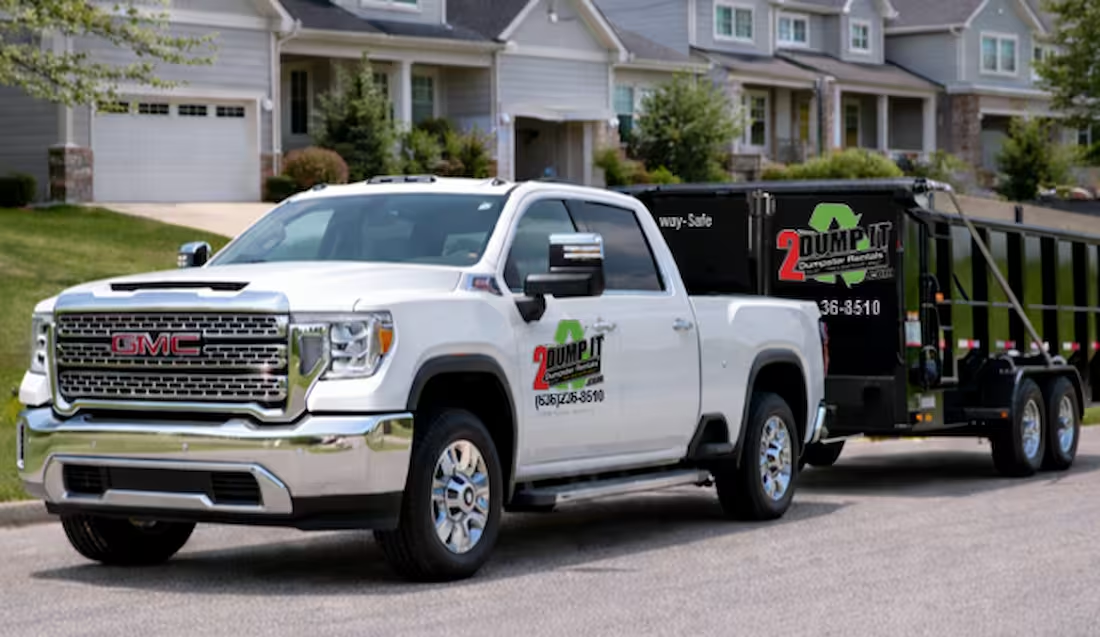
Rubber-Tired Dumpsters are trailer-style dumpsters that remain on wheels instead of sitting directly on the driveway surface. They are commonly used for roofing jobs, residential cleanouts, remodeling projects, garage cleanouts, basement cleanouts, and homeowner projects where driveway protection matters.
- Driveway-safe dumpster option
- Better for residential neighborhoods
- Commonly used for roofing shingles
- Often easier for tighter placement areas
Roll-Off Dumpsters
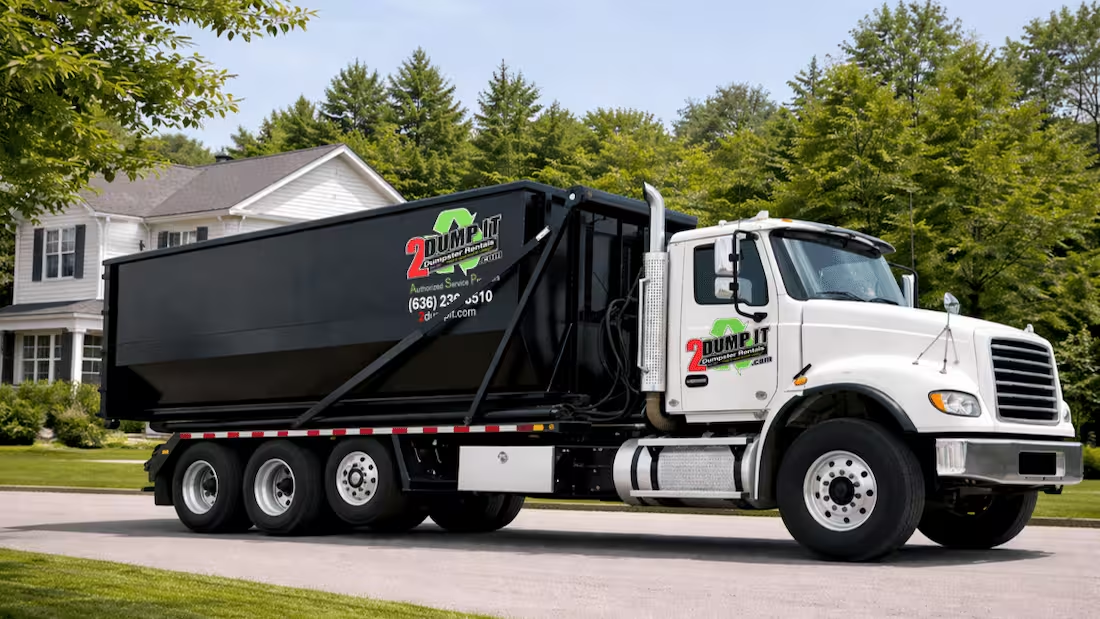
Roll-Off Dumpsters are ground-placed steel containers delivered by roll-off truck. They are commonly used for construction cleanup, demolition debris, estate cleanouts, commercial projects, bulky debris, and larger cleanup jobs.
- Higher debris capacity
- Handles bulky cleanup projects
- Better for construction and demolition debris
- Requires larger delivery access area
Dumpster Size Guide & Pickup Truck Comparisons
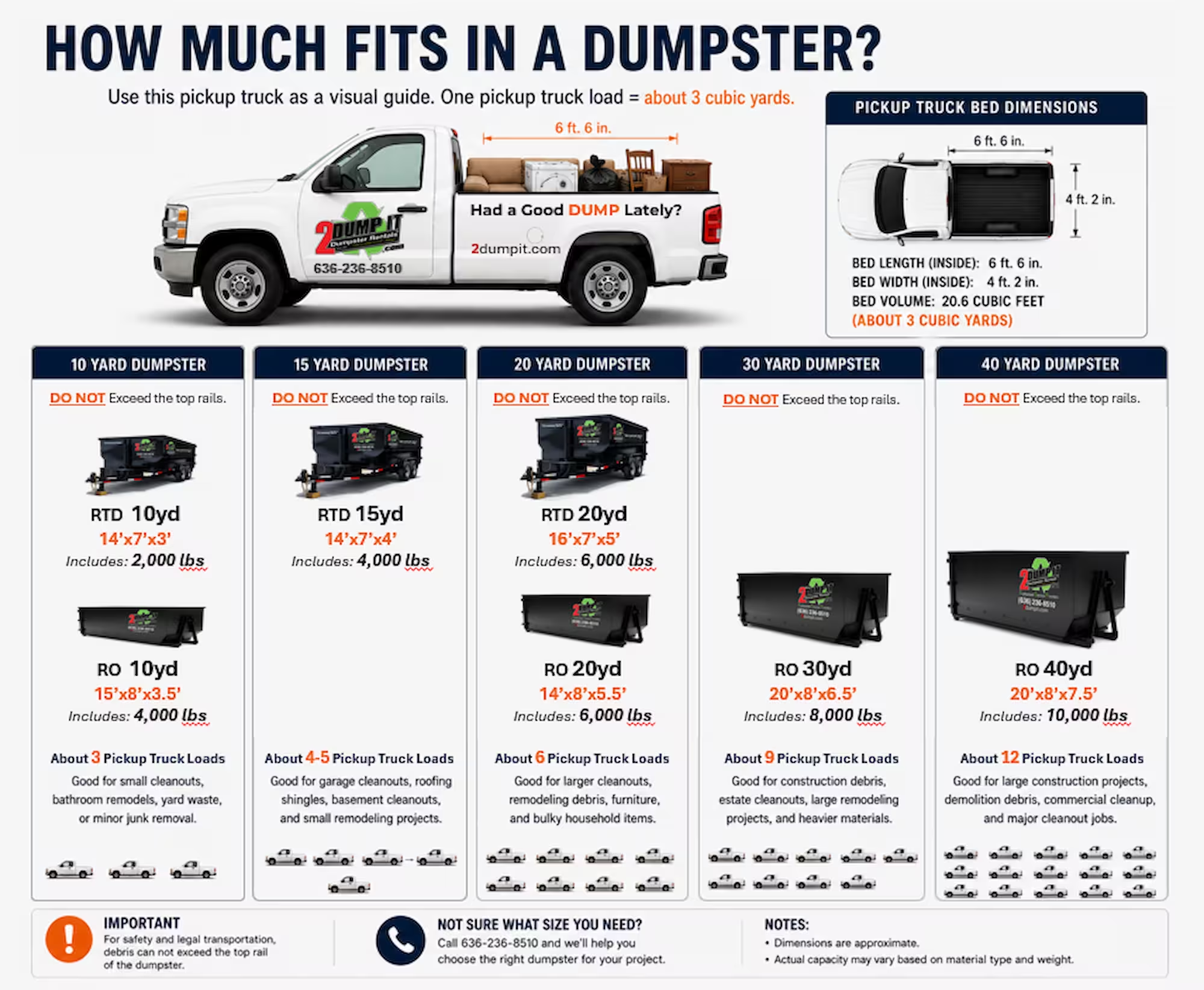
Dumpster sizes are measured in cubic yards. This guide compares Rubber-Tired Dumpsters and Roll-Off Dumpsters using common pickup truck loads so customers can better visualize capacity before ordering.
Which Dumpster Fits Your Project?
Use these common project examples as a starting point. Dumpster size can change based on debris weight, volume, access, and how the material is loaded.
Roofing Shingles
Recommended: Rubber-Tired Dumpster
Typical Size: 10–20 Yard
Popular for residential driveways and roofing tear-offs.
Garage Cleanout
Recommended: Rubber-Tired Dumpster
Typical Size: 10–15 Yard
Common for junk removal and household cleanup.
Basement Cleanout
Recommended: Rubber-Tired Dumpster
Typical Size: 15–20 Yard
Good for furniture, boxes, and general debris.
Kitchen Remodel
Recommended: Rubber-Tired or Roll-Off
Typical Size: 15–20 Yard
Depends on material volume, debris weight, and placement area.
Deck Removal
Recommended: Roll-Off Dumpster
Typical Size: 20–30 Yard
Wood decking creates bulky debris quickly.
Estate Cleanout
Recommended: Roll-Off Dumpster
Typical Size: 20–40 Yard
Large-volume cleanup projects often need bigger containers.
Construction Cleanup
Recommended: Roll-Off Dumpster
Typical Size: 20–40 Yard
Better for bulky debris and construction materials.
Concrete / Dirt
Recommended: Specialized Guidance
Typical Size: Call First
Heavy material changes dumpster sizing and hauling requirements.
Understanding Dumpster Weight Limits
Dumpster rental pricing includes both container space and disposal weight. Many customers mistakenly believe the dumpster size alone determines what can go inside the container. Weight matters just as much as volume. Dumpster rentals include weight allowances based on dumpster size, debris type, and disposal classification. View our Dumpster Rental Rates page for additional pricing and weight allowance information.
Why Do Dumpsters Have Weight Limits?
Dumpsters are transported on public roads and highways. State transportation laws, axle weight regulations, truck limitations, landfill restrictions, and safe hauling requirements all affect how much material can legally be transported.
Why Are Roofing Shingles So Heavy?
Roofing shingles are much heavier than general household junk. A small roofing project can weigh several tons even when the dumpster does not appear visually full.
Why Can’t Debris Go Above the Top Rails?
Overfilled dumpsters create transportation hazards and may violate hauling regulations. Debris must remain level with the top rails for safe transport.
What About Dirt, Concrete, Brick, and Rock?
Dirt, concrete, brick, and rock are extremely heavy materials. These projects usually require special dumpster planning and sometimes smaller container sizes due to hauling weight limits.
Driveway Protection & Dumpster Placement
What happens if the dumpster is blocked at pickup?
The dumpster or container must be accessible when pickup is scheduled. Vehicles, trailers, equipment, locked gates, blocked driveways, or other obstacles can prevent the driver from safely removing the dumpster.
Depending on where your dumpster fits into the daily schedule, your dumpster could be picked up as early as 5:00 AM, and we do not want to ring doorbells, call, or text early in the morning unless absolutely necessary.
If the dumpster is blocked and no one is available to move the vehicle or obstruction, the driver may have to move on to stay on schedule. A return pickup fee and additional rental days may apply if a second trip is required.
Blocked pickups can also disrupt the day’s delivery and pickup schedule, especially when other customers are waiting for dumpsters. The best way to avoid extra charges is to keep the dumpster fully accessible the night before and the morning of pickup. Parents: make sure other drivers who reside with you know not to park in front of the dumpster the night before pickup.
Can a Dumpster Damage a Driveway?
Yes. Heavy dumpsters can crack, scratch, or stress certain driveways depending on weight, driveway condition, temperature, slope, and material type.
Why Are Rubber-Tired Dumpsters Different?
Rubber-Tired Dumpsters stay on wheels instead of sitting directly on the driveway surface. This is one reason many homeowners prefer them for residential projects.
What Driveways Are Most Vulnerable?
Asphalt driveways, newer concrete, decorative concrete, pavers, and driveways with existing cracking are generally more sensitive to heavy loads.
What About HOA Neighborhoods?
Some subdivisions and HOAs restrict street placement or dumpster visibility. Customers should always verify neighborhood rules before delivery.
How 2 DUMP IT® Handles Dumpster Rentals
Customers often assume all dumpster companies operate the same way. They do not. Understanding how scheduling, delivery coordination, equipment ownership, and customer support work helps explain the difference between a local dumpster company and a national lead-generation broker model.
Rubber-Tired Dumpsters
Our Rubber-Tired Dumpster division is fully controlled and operated directly by 2 DUMP IT®. We handle scheduling, delivery coordination, customer communication, equipment management, and support directly.
- Direct scheduling and communication
- Driveway-safe Rubber-Tired Dumpster system
- Local residential placement expertise
- Serving the St. Louis area since 2007
Roll-Off Dumpster Coordination
For Roll-Off Dumpster services, we work directly with a dedicated local ASP (Authorized Service Provider) roll-off provider that gives us access to equipment inventory and coordinated scheduling support. Customers still work directly with 2 DUMP IT® for communication, scheduling coordination, and billing.
- Dedicated local roll-off provider relationship
- Direct scheduling coordination
- Local delivery support and logistics
- Not a national call-center broker model
Expert Dumpster Rental Answers
How do you know how much my dumpster actually weighs?
Most trash, junk, and construction debris dumpsters are disposed of at a transfer station, landfill, or recycling facility. The facility used depends on the service area and the main type of debris in the dumpster.
These facilities use certified truck scales. When the truck arrives with the dumpster, the truck and loaded container are weighed together for the gross weight. The facility then subtracts the empty weight, called the tare weight, of that truck and container combination. The difference is the disposal weight.
Most disposal facilities keep truck and container tare weights in their scale system and require periodic reweighs. If a truck or container combination is not already in the system, it is weighed loaded, emptied, and then weighed empty so the tare weight can be recorded.
Clean fill and yard waste may be handled differently and are often charged by container size instead of scale weight. However, if trash, junk, or mixed debris is placed in a clean fill or yard waste container, the load may have to go to a trash disposal facility instead. That can create additional charges and overage costs.
Do not hide trash inside clean fill or yard waste. Once the container is emptied, hidden material is visible and may result in additional disposal charges.
What happens if it rains or snows while I have a dumpster?
Rain and snow can add moisture to the debris inside the dumpster. Most of the time, the added water does not create a major overage by itself. Overage charges usually happen when the dumpster already contains heavy material or water-absorbing debris.
Drivers are aware that containers can hold water. When possible, they may tip the container to drain standing water before hauling it away. However, they cannot wait for soaked material to fully dry out before transport.
Materials like mattresses, carpet, cardboard, drywall, sheetrock, and plaster can absorb water like a sponge. If rain is expected, avoid loading these items directly on the bottom of the dumpster where water can collect.
A better loading method is to place less absorbent material on the floor first, such as wood, metal, bagged trash, or other debris that does not soak up water as easily. Then place carpet, cardboard, sheetrock, plaster, and mattresses on top when possible.
What happens if the dumpster is filled above the top rail?
Dumpsters cannot be hauled safely when debris is above the top rail. Overfilled containers can create transportation hazards, loose debris issues, and legal hauling problems.
If a dumpster is overfilled, the driver may not be able to pick it up. The customer may need to unload, reload, or level the material before pickup can be completed.
If the dumpster must be left onsite because it cannot be safely hauled, additional daily rental fees and return pickup fees may apply until the container is corrected and picked up.
In some cases, depending on site conditions and driver discretion, the driver may have to empty or adjust the container onsite only if it can be done safely. The best way to avoid extra charges is simple: keep all debris level with or below the top rail.
What happens if clean fill or yard waste is mixed with trash?
Clean fill and yard waste must stay clean. If trash, junk, bags, plastic, treated wood, or other mixed debris is loaded into a clean fill or yard waste container, it may no longer qualify for clean fill or yard waste disposal.
When that happens, the load may have to be taken to a transfer station, landfill, or mixed-debris facility and charged differently. This can become much more expensive than the original clean fill or yard waste disposal plan.
Customers should always confirm what is allowed before loading clean fill or yard waste. The person ordering the dumpster should also make sure everyone helping load the container understands the rules.
How Long Can I Keep a Dumpster?
Rental periods vary depending on dumpster type, scheduling, and project needs. Most residential rentals are several days while larger projects may require extended rental time.
Do I Need a Permit for a Dumpster?
Permits are sometimes required when dumpsters are placed on public streets or right-of-way areas. Rules vary by municipality.
Can I Move the Dumpster Myself?
No. Dumpsters should only be moved by the delivery company using proper equipment.
What Cannot Go in a Dumpster?
Hazardous chemicals, propane tanks, paint, batteries, tires, certain appliances, and regulated materials may be restricted from standard disposal containers.
How Much Does Dumpster Rental Cost?
Dumpster rental pricing depends on dumpster type, dumpster size, included weight, rental duration, debris type, and disposal costs.
Common Dumpster Rental Mistakes to Avoid
Many dumpster rental problems can be avoided before delivery day with proper planning and the correct dumpster selection.
Ordering Too Small
Customers often underestimate debris volume. Overfilled dumpsters cannot be safely transported.
Overloading the Dumpster
Debris must remain level with the top rails for safe and legal hauling.
Ignoring Weight Limits
Roofing shingles, dirt, brick, concrete, and wet debris can become extremely heavy quickly.
Blocking Access
Vehicles, trailers, low branches, basketball goals, and overhead wires can create delivery issues.
Waiting Too Long to Schedule
Dumpster availability can tighten during busy cleanup and construction seasons.
Choosing the Wrong Dumpster Type
Residential driveways, tight spaces, and debris type all affect whether RTD or RO dumpsters work best.
What Cannot Go In a Dumpster?
Certain materials may be restricted from standard dumpsters due to landfill regulations, environmental rules, transportation laws, and disposal safety concerns. For a more detailed breakdown of accepted materials, prohibited items, clean fill, mixed debris, and disposal classifications, view our What Can Go In a Dumpster? guide.
Paint & Chemicals
Wet paint, solvents, fuel, oil, chemicals, and hazardous liquids are commonly restricted materials.
Tires
Tires are usually restricted from standard landfill disposal and often require separate recycling.
Batteries
Automotive batteries and certain rechargeable batteries may require specialized disposal handling.
Propane Tanks
Pressurized tanks and cylinders can create transportation and disposal hazards.
Appliances
Refrigerators, freezers, and appliances containing refrigerants may require additional handling procedures.
Hazardous Materials
Regulated hazardous waste materials are not accepted in standard dumpster rentals.
Dumpster Placement Tips Before Delivery
Check for Overhead Wires & Tree Branches
Delivery trucks require vertical clearance during placement. Tree limbs, utility lines, basketball goals, and overhangs can interfere with delivery.
Keep Driveways Clear
Vehicles should be moved before delivery day so the driver has enough room to safely place the dumpster.
Understand Driveway Conditions
Older asphalt, decorative concrete, pavers, and cracked surfaces may be more sensitive to heavy loads and changing temperatures.
Plan for Garage Access
Dumpster placement can temporarily block garage doors or parking access depending on driveway size and layout.
Rain & Soft Ground Conditions Matter
Wet soil, soft asphalt, muddy conditions, and slope conditions can affect dumpster placement and pickup access.
Check HOA & Municipal Rules
Some neighborhoods and municipalities restrict dumpster placement on streets or visible areas.
Still Unsure Which Dumpster You Need?
Call today and we will help match the correct dumpster size and dumpster type to your project before delivery.
✔ Owner-Operated
✔ Since 2007
✔ Not a Broker